Look, been running around construction sites all year, smelling concrete dust and dealing with engineers. Honestly, things are changing fast. Everyone’s talking about prefabrication now, modular builds, you name it. It’s all about speed, right? Getting things up quicker. But the details… that's where it gets tricky. You think you've got a clever design, then you get on site, and BAM – doesn’t work with a standard wrench. Happens every time.
And it's not just speed. Sustainability's a huge push, of course. Everyone wants "green" this and "eco-friendly" that. But I've seen "eco-friendly" materials that practically fall apart after a week of rain. It's about finding the balance, you know? Durability matters, especially when you're building something that's supposed to last.
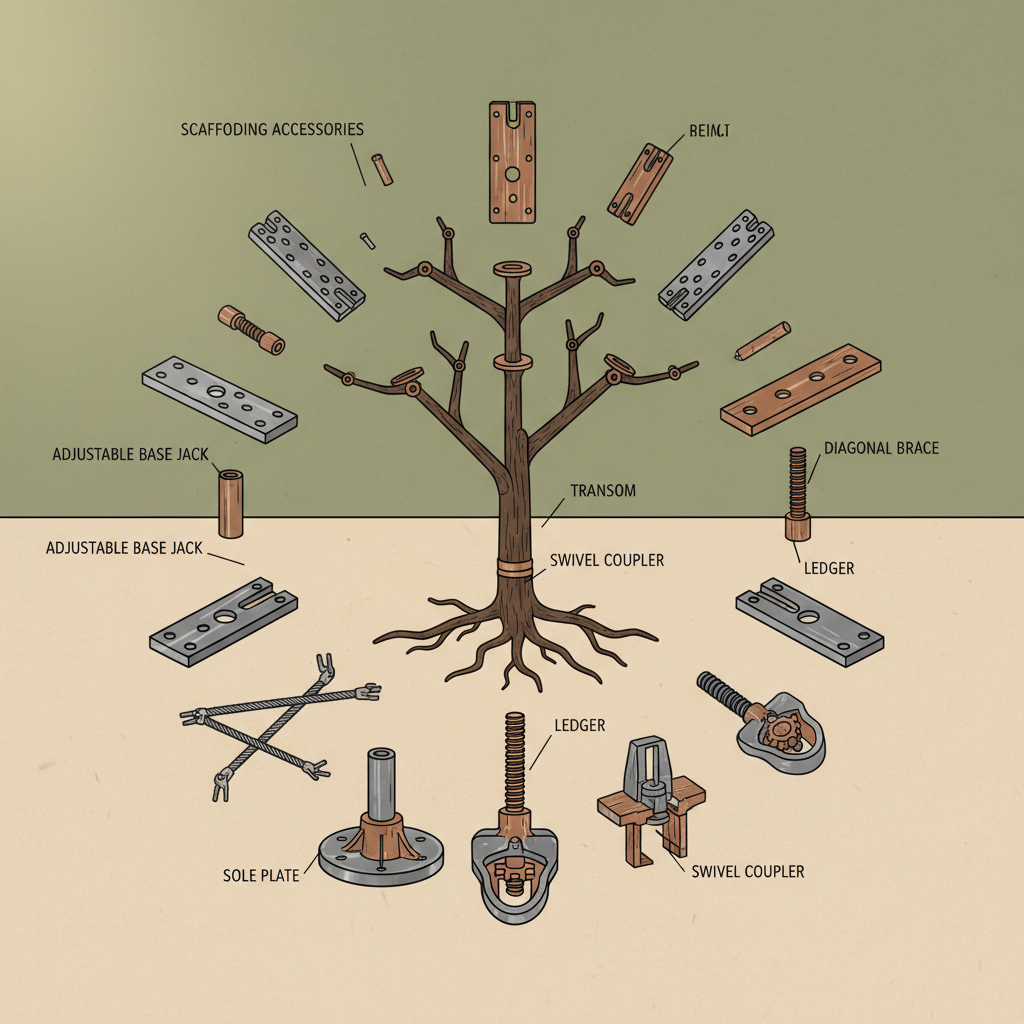
Been seeing a lot of demand for high-quality scaffolding accessories manufacturers lately. Good ones are hard to find, though. Most folks just grab the cheapest stuff, and then they're back to me complaining about bent brackets and stripped bolts. That's a waste of everyone's time and money.
1 The Current Landscape of Scaffolding Accessories Manufacturers
To be honest, the market’s flooded. Tons of manufacturers, mostly in China, a few in Europe still kicking around. Quality varies wildly. You’ve got the big boys cranking out massive quantities, and then you’ve got the smaller workshops. The smaller ones… sometimes they’re more flexible, willing to make custom stuff. But quality control can be hit or miss.
I encountered this at a factory in Ningbo last time – the guy swore his steel was Grade A, but it smelled… off. Like it hadn’t been properly treated. I ran a quick scratch test with my keys, and it marked easily. Didn't even bother with a proper inspection after that. You learn to trust your gut after a while. And the rise of scaffolding accessories manufacturers is changing things. They are focused on making things stronger and longer lasting.
2 Common Design Pitfalls in Scaffolding Accessories Manufacturers
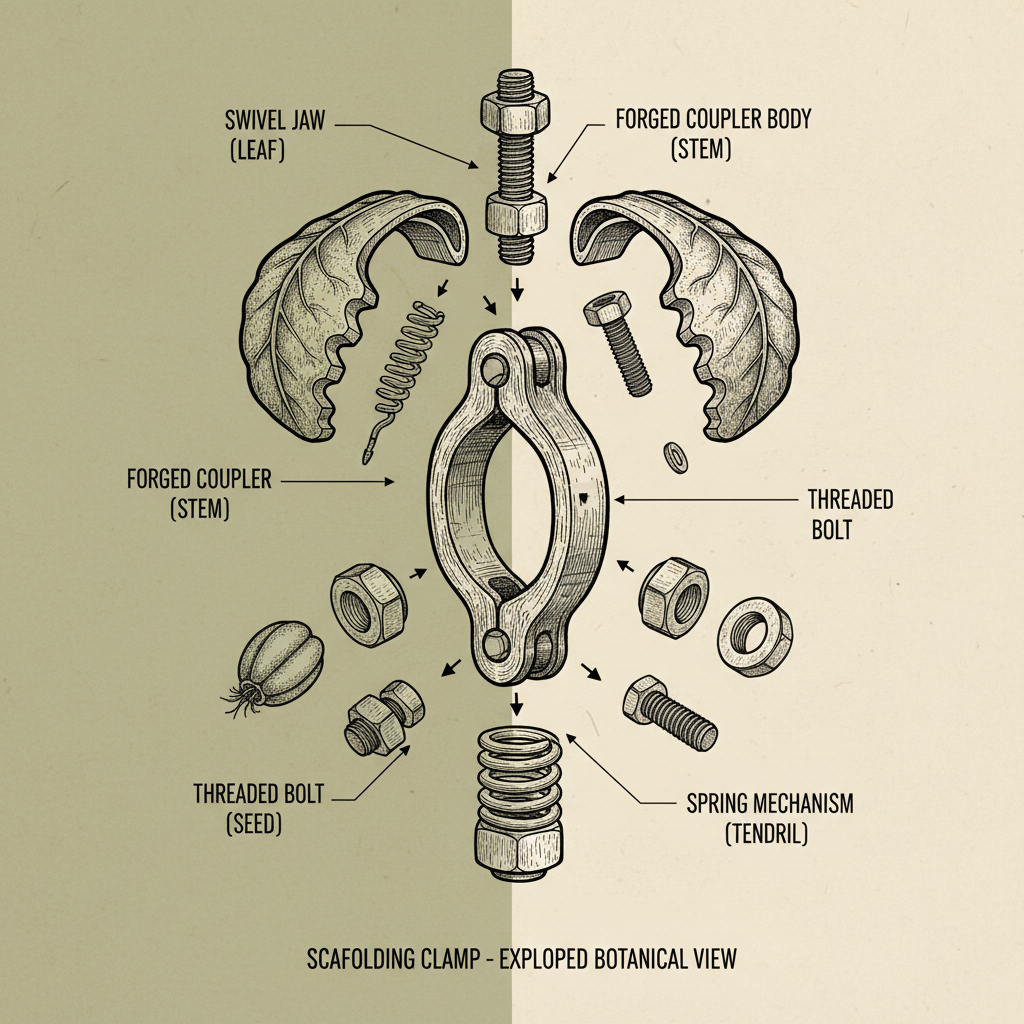
Have you noticed how many accessories have unnecessarily complex designs? They try to be clever, add extra features, and then the thing is a nightmare to install. Simplicity is key. A good clamp should clamp. A good bolt should bolt. Don't overthink it. Another thing is standardization. I can't tell you how many times I’ve been on a site where they’ve got a mix of different brands, different thread sizes, different everything. It's chaos! Strangely, people don’t realize how much time is wasted just trying to get things to fit together.
And the locking mechanisms… oh boy. Some of those things are just begging to fail. Too many moving parts, flimsy plastic, cheap springs. They look good in the catalog, but they don't hold up to real-world abuse. It's like they’ve never actually used the stuff themselves.
Then there’s the weight issue. Lightweight is good, right? Not always. Sometimes you need a bit of heft to provide stability. Finding that balance is tough.
3 Material Choices: What Actually Holds Up
Steel is the standard, obviously. But what steel? You’ve got your carbon steel, your alloy steel, your stainless steel. Each has its pros and cons. Carbon steel is strong and cheap, but it rusts like crazy if you don’t protect it. Alloy steel is tougher, more resistant to corrosion, but more expensive. Stainless steel… well, that’s the gold standard. Expensive, but practically indestructible. It's got that nice, smooth feel too - you can tell it's quality.
But it’s not just about the steel itself. It’s about the coating. Galvanizing is good, but it’s not perfect. Powder coating is better, provides a thicker, more durable layer. But even powder coating can chip and scratch.
And don't even get me started on aluminum. It's light, sure, but it doesn’t have the same strength as steel. I’ve seen aluminum scaffolds buckle under heavy loads. Not a pretty sight.
The smell of a freshly galvanized piece is quite distinctive, actually. That zinc coating has a very particular tang. It's reassuring, knowing it's got a layer of protection. You know the stuff is going to last. I've even seen guys specifically request galvanized components, just because of that smell. It's a weird thing, but it speaks to their confidence in the material.
And then there are the plastics. Polypropylene, nylon, those kinds of things. They're used for things like clamps and handles. Gotta be tough, UV resistant. Because the sun just melts that stuff. I’ve seen handles become brittle and crack after just a few months in the sun. Anyway, I think using a good quality plastic can really make a difference. But cheap plastic? Just forget about it.
4 Real-World Testing & Application Scenarios
Lab tests are fine, I guess. But they don't tell the whole story. You need to see how these things perform in the real world. I've started doing my own little tests on-site. I'll load up a bracket with a ridiculous amount of weight and see if it bends or breaks. I'll leave a clamp out in the rain for a week and see if it rusts. It's not scientific, but it gives you a good feel for what's going to happen.
I’ve seen scaffolding accessories manufacturers used in everything from high-rise construction to small home renovations. The application dictates the requirements. A high-rise job needs heavy-duty, high-strength components. A home renovation can get away with something a little lighter. But even then, you want quality. You don’t want something failing while you’re painting your living room.
Scaffolding Accessories Manufacturers Performance Metrics
5 Advantages, Disadvantages & User Adaptations
The good stuff first: good scaffolding accessories manufacturers are safe, reliable, and save you time. They make the job easier, and that's always a plus. But they can be expensive, especially the high-quality stuff. And they can be heavy to carry around. That’s a constant trade-off.
I’ve seen guys modify accessories to fit their needs, which is… risky. Last month, that small boss in Shenzhen who makes smart home devices insisted on changing the interface to on a clamp – said it was more “future-proof.” The result? The clamp wouldn’t grip properly. He had to scrap the whole batch. You've got to stick to the original design, unless you really know what you’re doing. But, people adapt. They always do. They’ll add extra padding to prevent scratching, use different wrenches, whatever it takes.
6 Customization Possibilities & Case Studies
Customization is definitely possible, especially with the smaller manufacturers. I had a client who needed a special bracket to fit a curved surface. The big companies said it couldn’t be done, but a small workshop in Jiangsu took it on and delivered a perfect solution. It cost a bit more, but it saved the project.
Another time, a client needed a specific color of powder coating to match their branding. Again, the big companies weren’t interested. But a smaller manufacturer was happy to oblige. It's these little things that make a difference. I’ve also seen requests for different lengths of screws, different types of locking mechanisms… you name it.
7 Assessing Overall Performance & Longevity
Ultimately, it all comes down to how long it lasts. A cheap accessory might save you money upfront, but if it breaks after a few uses, you’re just throwing money away. You need to consider the total cost of ownership.
I’ve seen accessories that are still going strong after 20 years, and others that have rusted through in a matter of months. The difference is in the materials, the design, and the quality control. And honestly, a lot of it is just luck. But you can increase your chances of getting a good product by doing your research and buying from a reputable manufacturer.
These parameters are important for assessing performance.
Key Parameters for Scaffolding Accessories Manufacturers Performance Evaluation
| Material Quality |
Corrosion Resistance |
Load Capacity |
Ease of Use |
| High-Grade Steel |
Excellent (Galvanized/Powder Coated) |
10 Tons |
Very Easy (Quick Release Mechanism) |
| Alloy Steel |
Good (Rust-Resistant Coating) |
8 Tons |
Easy (Standard Bolt System) |
| Carbon Steel |
Moderate (Requires Regular Maintenance) |
6 Tons |
Moderate (Requires Tools) |
| Aluminum Alloy |
Poor (Prone to Corrosion) |
4 Tons |
Easy (Lightweight) |
| Stainless Steel |
Excellent (Highly Corrosion Resistant) |
9 Tons |
Easy (Smooth Operation) |
| Plastic Composite |
Moderate (UV Resistant) |
2 Tons |
Very Easy (No Tools Required) |
FAQS
With proper maintenance and regular inspection, high-quality scaffolding accessories manufacturers constructed from durable materials like galvanized steel or stainless steel can last for 15-20 years or even longer. This assumes they are not subjected to excessively harsh environments or overloaded beyond their rated capacity. Regular cleaning and replacement of worn parts are key to maximizing lifespan.
Crucially, look for certifications like ISO 9001 for quality management, and specific standards like EN 12811 (European standard for scaffolding) or OSHA compliance (US Occupational Safety and Health Administration). These certifications verify the manufacturer’s commitment to safety and quality control. Avoid products without clear certification details, as these may compromise worker safety.
Corrosion resistance is extremely important, especially in outdoor applications or environments with high humidity or exposure to salt spray. Galvanizing and powder coating are common methods to protect steel scaffolding components from rust. Stainless steel offers the highest level of corrosion resistance, but is also more expensive. Regular inspection and maintenance are crucial to identify and address any signs of corrosion before they compromise the structural integrity.
Yes, many scaffolding accessories manufacturers offer customization services. This can include modifying dimensions, adding special features, applying specific coatings, or creating entirely new components to meet unique project needs. However, customization often comes with a higher cost and longer lead time, so it’s important to plan accordingly and provide detailed specifications.
Scaffolding accessories manufacturers should be stored in a dry, secure location protected from the elements. Ideally, they should be elevated off the ground to prevent corrosion. Components should be stacked neatly and securely to prevent them from falling or shifting. Regular inspection during storage is also recommended to identify any signs of damage or deterioration.
Look for signs of significant rust, cracks, bending, or deformation. Worn or stripped threads on bolts and nuts are also indicators of potential failure. Any component that has been subjected to excessive load or impact should be carefully inspected and replaced if necessary. Prioritize safety and err on the side of caution when evaluating the condition of scaffolding equipment.
Conclusion
Ultimately, choosing the right scaffolding accessories manufacturers isn’t about finding the cheapest option, or the flashiest design. It’s about finding a balance between quality, durability, safety, and cost. It’s about understanding the specific requirements of your project and selecting components that are fit for purpose. It’s about making sure your workers are safe and your project is completed on time and within budget.
And that's the long and short of it. Ultimately, whether this thing works or not, the worker will know the moment he tightens the screw. They're the ones on the ground, feeling it, testing it, relying on it. You can talk about standards and certifications all day, but at the end of the day, it's their judgment that matters. Visit our website: www.hebeimaiheng.com