Hit enter to search or ESC to close
You know, after running around construction sites all year, dealing with dust and blueprints, I've seen a lot of changes. Lately, everyone's talking about prefabrication, modular construction… it’s everywhere. But honestly, the real buzz is around making the *accessories* work seamlessly. It’s not about fancy designs, it’s about stuff that doesn't break when you actually *use* it. Because a beautiful design is useless if a simple bolt fails, right?
What I've noticed is a lot of designers, good intentions and all, get caught up in the specs on paper. They design something that looks great in CAD, but have they actually *held* the material? Felt the weight? Tried tightening a nut with gloves on in the rain? It's a different world out here.
And speaking of materials, we're moving away from a lot of the cheaper stuff. More high-strength steel, obviously. But there’s also a renewed interest in certain alloys. I encountered this at a factory in Jiangsu last time, they were raving about this new zinc alloy for their clamps. Smelled faintly of… well, metal, I guess? But it felt solid, you know? Not that flimsy feeling you get with some of the imports.
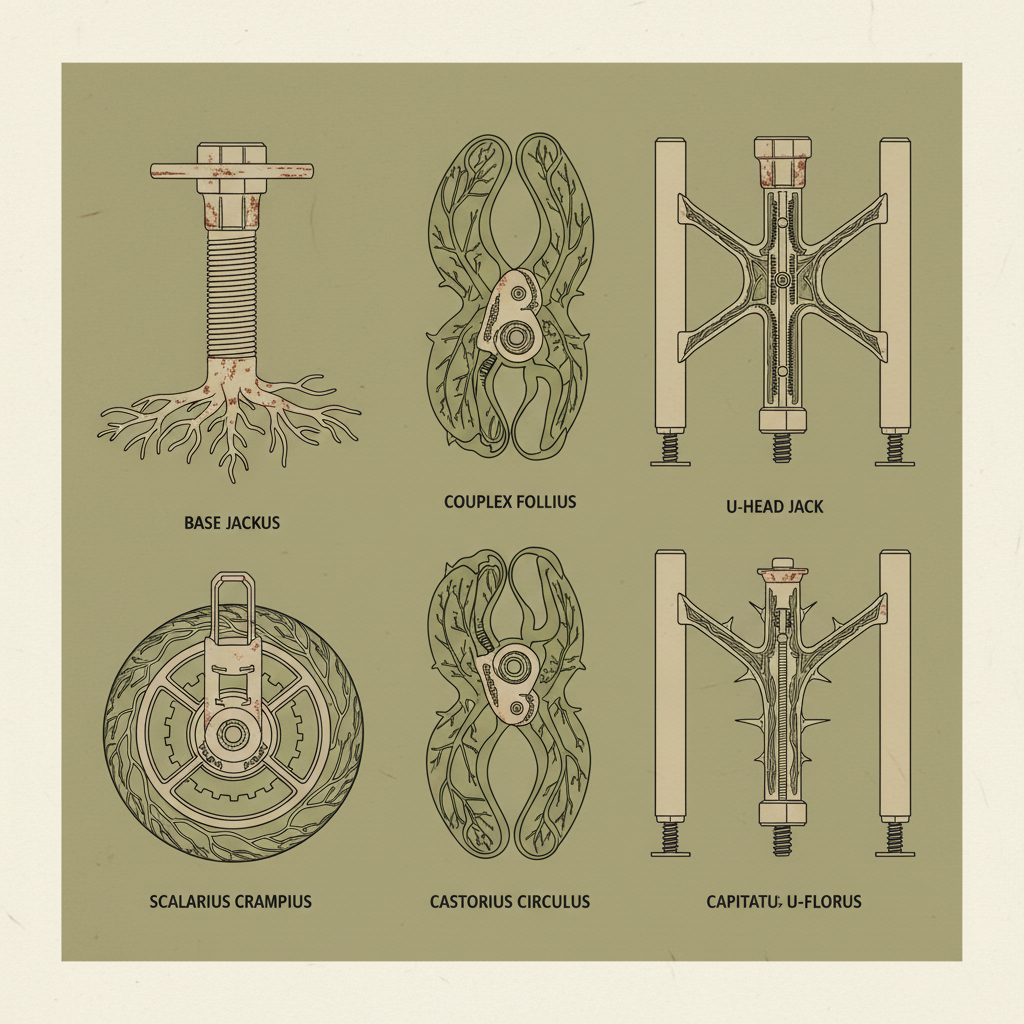

To be honest, the demand for scaffolding accessories is directly tied to global construction. And that's booming, especially in developing nations. But it's not just about building *more*, it’s about building *smarter*. People want faster, safer, and more efficient methods. That means the accessories – the clamps, the bolts, the safety nets – they all need to keep up.
The biggest trend I'm seeing is a push for standardization. Everyone wants parts that are compatible across different systems. Makes logistics a lot easier, reduces the need for specialized tools. But that's easier said than done, especially when you've got a thousand different manufacturers all trying to carve out their niche.
From my experience, the majority of failures stem from improper installation or the use of incompatible parts. It's not always a manufacturing defect; often it's simply misuse. Corrosion, especially in coastal environments, is another big one. Regularly inspecting accessories and replacing worn-out parts is crucial to prevent these issues. And don't skimp on the lubricant!
At least before each use, and again every seven days during prolonged use. Look for signs of wear and tear, corrosion, deformation, or any other damage. Keep a log of inspections, and immediately remove any accessory that doesn't pass inspection. Document everything! It could save you a lot of trouble down the line, especially if there’s an accident.
Look for products that meet relevant industry standards like EN 12811 (European) or OSHA (US). These certifications indicate that the accessories have been tested and meet minimum safety requirements. Don’t just take the manufacturer’s word for it; ask for proof of certification. And make sure the accessories are compatible with your specific scaffolding system.
Definitely. Composites are becoming more popular for non-load bearing parts, offering a lighter weight and better corrosion resistance. There’s also a lot of research going into high-strength aluminum alloys. And we’re seeing a renewed interest in stainless steel for applications where corrosion is a major concern, despite the higher cost. It all comes down to finding the right balance between cost, performance, and durability.
Absolutely. Many suppliers offer customization options, such as different lengths, finishes, or connection types. We recently had a client who needed clamps for a uniquely shaped structure, and we were able to modify an existing design to meet their exact specifications. The key is to communicate your needs clearly and work with a supplier who has the engineering expertise to deliver.
Ignoring the load limits. Seriously. It's right there on the accessory, clearly marked. But people still try to push it. Trying to save a little time or effort can have disastrous consequences. Always double-check the load capacity and make sure you’re not exceeding it. It's just not worth the risk.
So, after all this, what does it come down to? It's about understanding that scaffolding accessories aren’t just bits of metal. They’re critical components of a safety system. Quality materials, careful design, proper installation, and regular inspection – these are all essential. And it’s about remembering that the guys on the ground are the ones who ultimately determine whether something works or not.
Ultimately, whether this thing works or not, the worker will know the moment he tightens the screw. Don’t underestimate their judgment. Listen to their feedback. And remember, a little bit of attention to detail can make all the difference. If you're looking for reliable scaffolding accessories suppliers, Hebei Maiheng has a proven track record of delivering quality and service.


