Hit enter to search or ESC to close
February 02, 2026
In the dynamic world of construction, efficiency, safety, and cost-effectiveness are paramount. A robust formwork system is the cornerstone of successful concrete construction. This article delves into the intricacies of formwork systems, exploring various types, key considerations, and the benefits of choosing the right solution for your project. We’ll cover essential aspects for contractors, engineers, and anyone involved in concrete projects, with a focus on international standards and best practices. Choosing the right formwork isn't just about cost; it's about project success and long-term durability.
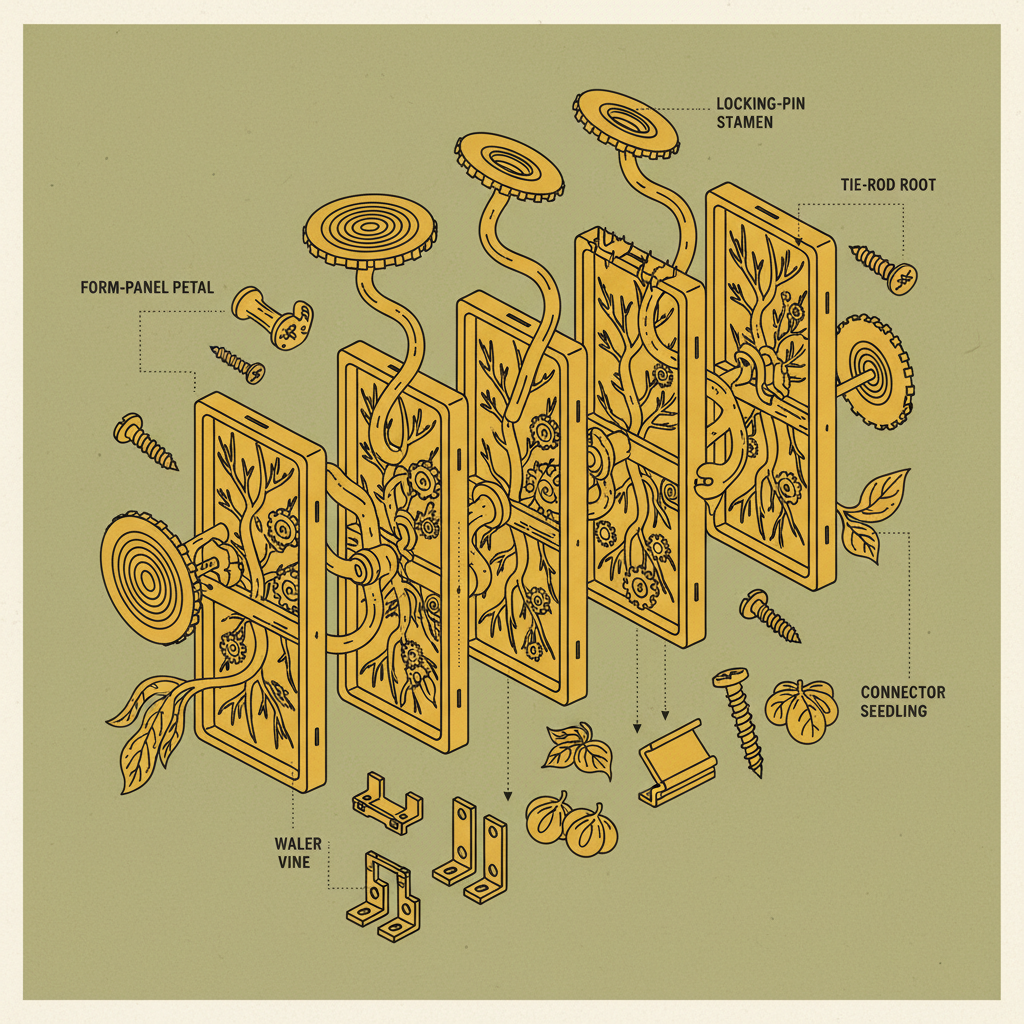
A formwork system is essentially a temporary structure used to mold concrete into the desired shape. It supports the weight of the concrete until it gains sufficient strength to be self-supporting. Formwork isn't simply about holding concrete in place; it impacts the quality of the finished product, construction speed, and overall project costs. Key components typically include panels, supports, bracing, and accessories for connecting and adjusting the system. Different project requirements demand different formwork solutions, so understanding the variety available is crucial. Selecting a system that aligns with the project’s scale, complexity, and budget is vital for achieving optimal results.
Key Benefits of using a Formwork System: Improves concrete quality, accelerates construction time, reduces labor costs, ensures structural accuracy, and enhances safety on site.
Several types of formwork systems cater to diverse construction needs. Traditional timber formwork is still used but is being increasingly replaced by more efficient systems. Steel formwork offers greater strength and durability, suitable for repetitive structures. Aluminum formwork is lightweight and easy to handle, ideal for residential projects. Plastic formwork is gaining popularity due to its recyclability and cost-effectiveness. Finally, climbing formwork is used for tall structures, allowing for continuous construction upwards. Each system has its advantages and disadvantages, depending on the specific project requirements.
Common Formwork Types:
• Timber Formwork: Traditional, cost-effective for small projects.
• Steel Formwork: Strong, durable, suitable for repetitive structures.
• Aluminum Formwork: Lightweight, easy to handle, ideal for residential buildings.
• Plastic Formwork: Recyclable, cost-effective, gaining popularity.
Choosing the right formwork system requires a thorough comparison of their features and costs. Factors such as initial investment, labor requirements, construction speed, and lifespan all play a role. Steel formwork generally has a higher upfront cost but offers superior durability and reusability. Aluminum formwork is lighter and easier to handle but may be less durable. Plastic formwork offers a balance between cost and performance, making it a viable option for many projects. Careful consideration of these factors will help you select the most cost-effective and efficient system for your needs.
Different countries have varying building codes and standards governing formwork systems. It’s essential to adhere to the relevant regulations in the project location. Standards like EN 12812 (Europe) and ACI 347 (USA) provide guidelines for the design, manufacture, and use of formwork. When exporting or importing formwork, understanding these differences is crucial for compliance and safety. Furthermore, factors such as climate and environmental conditions can influence the choice of materials and system design. Working with a reputable supplier like Hebei Maiheng ensures adherence to international quality standards and provides expert guidance on selecting the appropriate system.

Choosing the right formwork system is a multi-faceted process. Consider the following: project size and complexity, concrete volume, required finish quality, site access, available budget, labor skills, and relevant safety standards. Evaluate the system’s load-bearing capacity, ease of assembly and disassembly, and reusability. Seek advice from experienced engineers and formwork suppliers. Prioritize safety and ensure the chosen system meets all necessary regulations. Finally, factor in long-term costs, including maintenance and repair. By carefully considering these factors, you can make an informed decision that optimizes project efficiency and minimizes risks.
Selecting the appropriate formwork system is crucial for the success of any concrete construction project. By understanding the various types, considering global standards, and carefully evaluating project requirements, you can ensure safety, efficiency, and cost-effectiveness. Invest in quality formwork, and you're investing in the long-term durability and success of your construction endeavors.
When selecting a formwork system for a high-rise building, several critical factors must be considered. Load-bearing capacity is paramount, as the system must withstand the immense pressure of concrete at significant heights. Climbing formwork is often the most efficient solution for these projects, allowing for continuous construction upwards. The system's speed of erection and dismantling is also crucial, as it directly impacts the project timeline. Safety features, such as robust guardrails and secure attachment points, are non-negotiable. Furthermore, the system’s compatibility with other building components, such as reinforcement and MEP systems, should be carefully evaluated. Finally, consider the logistical challenges of transporting and lifting the formwork to the required heights.
Complying with international formwork standards, such as EN 12812 or ACI 347, is extremely important. These standards ensure the structural integrity, safety, and durability of the formwork system. Adherence to these standards demonstrates a commitment to quality and reduces the risk of accidents and structural failures. Furthermore, compliance is often a legal requirement for obtaining building permits and insurance. Using a supplier that adheres to these standards provides peace of mind and protects your project from potential liabilities.
Modular formwork systems offer several advantages over traditional methods. Their flexibility allows for easy adaptation to different shapes and sizes, making them suitable for complex designs. They are typically lightweight and easy to assemble, reducing labor costs and construction time. Modular systems are also highly reusable, providing a long-term return on investment. The standardized components simplify logistics and inventory management. Overall, modular formwork systems offer a more efficient, cost-effective, and versatile solution for concrete construction.
Regular maintenance is essential for extending the lifespan and ensuring the safe operation of formwork systems. This includes cleaning the panels after each use to remove concrete residue, inspecting for damage such as cracks or dents, and lubricating moving parts. Steel formwork should be protected from rust and corrosion through proper coating and storage. Wooden formwork may require occasional repairs or replacement of damaged sections. Regularly check and tighten all connections and fasteners. Following the manufacturer's recommendations for maintenance will help ensure the system remains in optimal condition.


