Hit enter to search or ESC to close
You know, after running around construction sites all year, smelling cement dust and dealing with engineers’ blueprints, you start to see things differently. Lately, everyone's talking about prefabrication and modular construction. Makes sense, right? Speed, efficiency, less waste… but honestly, it’s not as simple as slapping a few pieces together. The devil is always in the details, especially when it comes to scaffolding accessories in china.
What I've noticed is a lot of folks are focused on the big picture – the modules themselves – and they forget about the stuff that holds it all together. The connectors, the bracing, the little bits and pieces… that’s where projects really succeed or fail. And believe me, I’ve seen failures. Plenty of them. It’s the difference between a smooth operation and a site shutdown.
To be honest, a lot of these things look the same on paper. “High-strength steel,” “galvanized finish”… it all sounds good. But when you’re actually out there, wrestling with a stubborn bolt in the pouring rain, you appreciate quality. We use a lot of Q235 steel, good stuff, strong enough for most applications. But for heavier loads, you really need something like Q345, and even then… it’s about the welding. I encountered a batch last year at a factory in Tianjin that was just… bad. The welds were porous, brittle. Didn't even feel right when you tapped it with a hammer. Sent it right back.
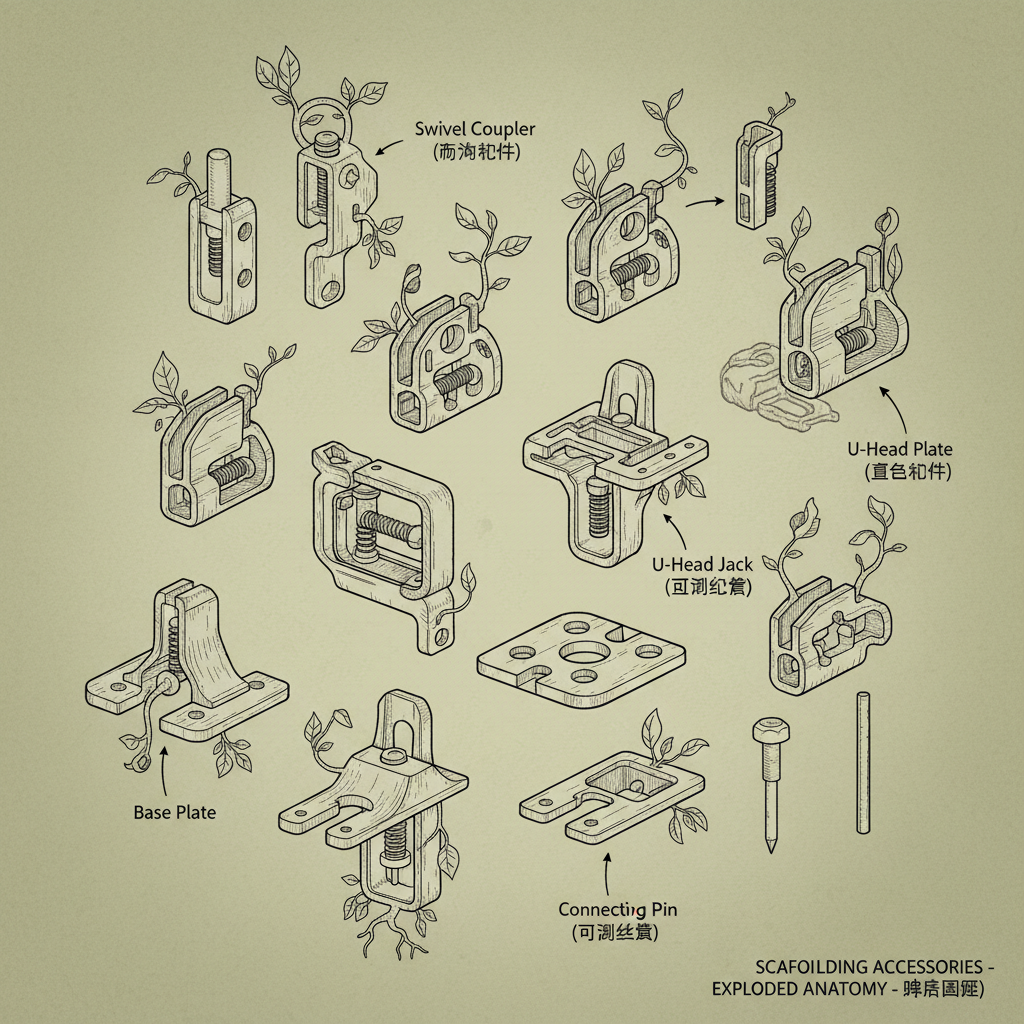
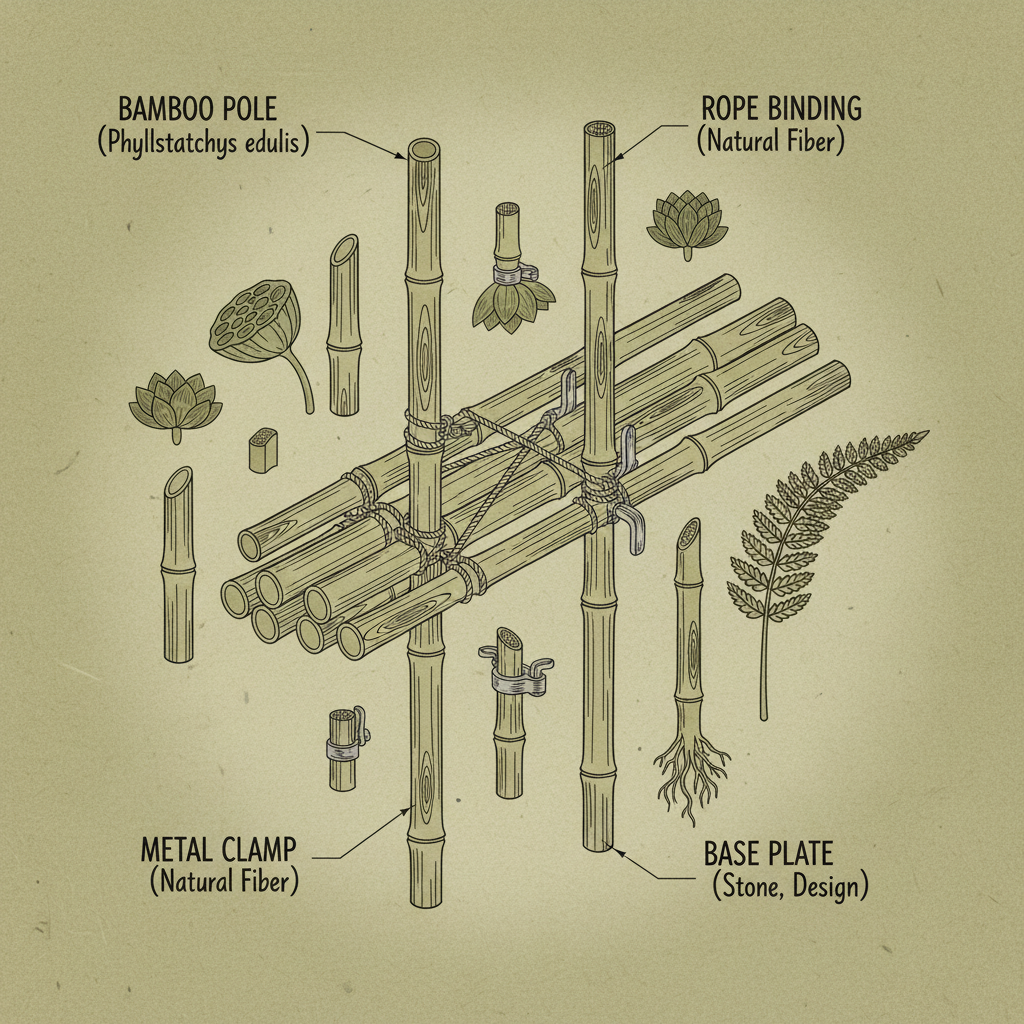
Have you noticed how everyone’s chasing lighter materials? Aluminum alloys are popular, sure, but they're expensive and, frankly, don’t always hold up like good old steel. A lot of designs I see try to minimize the number of connections, which sounds smart, but it often leads to overstressed individual components. Strangely, simple is not always better. You need redundancy, especially for critical applications. It's also about accessibility, can a worker easily reach and tighten all bolts without contorting themselves? That’s a safety issue.
And the tolerances! I swear, some manufacturers don't understand that these parts need to fit together precisely. A few millimeters off can throw the whole thing off, especially when you’re dealing with prefabricated sections. It's frustrating.
Under standard conditions, with proper maintenance including cleaning and protective coatings, scaffolding accessories in China constructed from quality materials like Q235 or Q345 steel can typically last between 5 to 10 years. However, factors like exposure to harsh environments (salt air, extreme temperatures), heavy loads, and frequency of use can significantly impact this lifespan. Regular inspections are critical for identifying and addressing potential issues early on, extending their usable life and ensuring safety.
Galvanization is a crucial corrosion-resistant treatment for scaffolding accessories. The process coats the steel with a layer of zinc, acting as a barrier against moisture and preventing rust. The thickness of the zinc coating is vital; a thicker coating offers superior protection. However, a poor galvanization process can lead to a flaky or uneven coating, reducing its effectiveness. It's important to choose suppliers who employ high-quality galvanization techniques.
When sourcing scaffolding accessories in China, prioritize suppliers who hold certifications like ISO 9001 (Quality Management System) and CE marking (Conformité Européenne) if exporting to Europe. Also, look for accessories that comply with relevant national standards like EN 12811. Don’t hesitate to ask for test reports and material certificates to verify the quality and safety of the products. Remember, compromising on safety can have severe consequences.
Absolutely. Many manufacturers in China offer customization options for scaffolding accessories, including length adjustments, connector modifications, and specialized finishes. However, customization often involves longer lead times and higher costs. It's essential to clearly communicate your specific requirements to the supplier and ensure they have the capability to meet your needs without compromising quality or safety. Don't assume anything!
Common mistakes include prioritizing price over quality, overlooking compatibility issues, neglecting proper load calculations, and failing to inspect accessories before use. Avoid purchasing from unverified suppliers, and always request detailed product specifications and certifications. Regularly train workers on the correct installation and usage procedures to prevent accidents and ensure optimal performance.
Regular maintenance is key to extending the lifespan of your scaffolding accessories. This includes cleaning off debris, inspecting for signs of corrosion or damage, applying protective coatings as needed, and properly storing accessories when not in use. A documented inspection schedule can help identify potential problems before they escalate. Minor repairs, like tightening bolts, should be addressed immediately.
Ultimately, scaffolding accessories in china are more than just metal and plastic. They’re the backbone of countless construction projects, the guardians of worker safety, and the keys to efficient and sustainable building practices. Choosing the right accessories, prioritizing quality, and implementing proper maintenance are crucial for success.
Looking ahead, we’ll likely see more innovation in materials and design, with a focus on lightweight, durable, and environmentally friendly solutions. The key will be to balance these advancements with the practical needs of those on the ground—the workers who depend on these tools every day. Ultimately, whether this thing works or not, the worker will know the moment he tightens the screw.


